Associazione professionale · Immobiliare · Leadership professionale
Urban Land Institute
Professionals across the land use and real estate industry — developers, investors, lenders, architects, planners, public officials and academics

Una pagina di profilo contiene ciò che l'organizzazione pubblica e ciò che fonti nominate riportano: chi ammette, quanto costa, come è strutturata, dove opera e come è cambiata. Ogni cifra riporta la data in cui è stata verificata. Un trattino significa che l'organizzazione non pubblica quel dato.
Fondazione — Founded 14 December 1936; the Urban Land Institute name was adopted in 1939 per Wikipedia's history of the organisation.
The Urban Land Institute is a non-profit research and education association for the land use and real estate industry. It was founded in 1936 and is headquartered in Washington, DC, with regional operations for the Americas, Europe and Asia Pacific. Membership is individual rather than corporate and is open to anyone working in or adjacent to real estate and land use; there is no revenue, wealth or seniority test in the published eligibility rules, and members agree to a code of ethics. Two individual grades exist — Associate and Full — with reduced rates for people under 35, for government, non-profit and academic employees, for students and for long-tenured retired members. Organisations can also buy group packages, including a Public Agency package that bundles three memberships for government agencies, universities and non-profits. Activity is delivered through local district councils, topic-based product councils and forums, a large research and publications programme, the Advisory Services panel programme, and spring and fall meetings. ULI reported total revenue of about $95.6m in its 2023 financial year according to its IRS Form 990.
Come funziona
Members join as individuals and are assigned to a local district council, which runs its own programme of events, tours, committees and young-leader activity. National and global programming runs through product councils and forums (invitation-based, topic-specific member groups), the Advisory Services programme that sends volunteer panels to advise cities and public bodies, and large Spring and Fall Meetings. A member library, Knowledge Finder, and a volunteering platform, Navigator, support participation between events. Dues are paid annually or in twelve monthly instalments and expire on the last day of the anniversary month.
Socio tipico
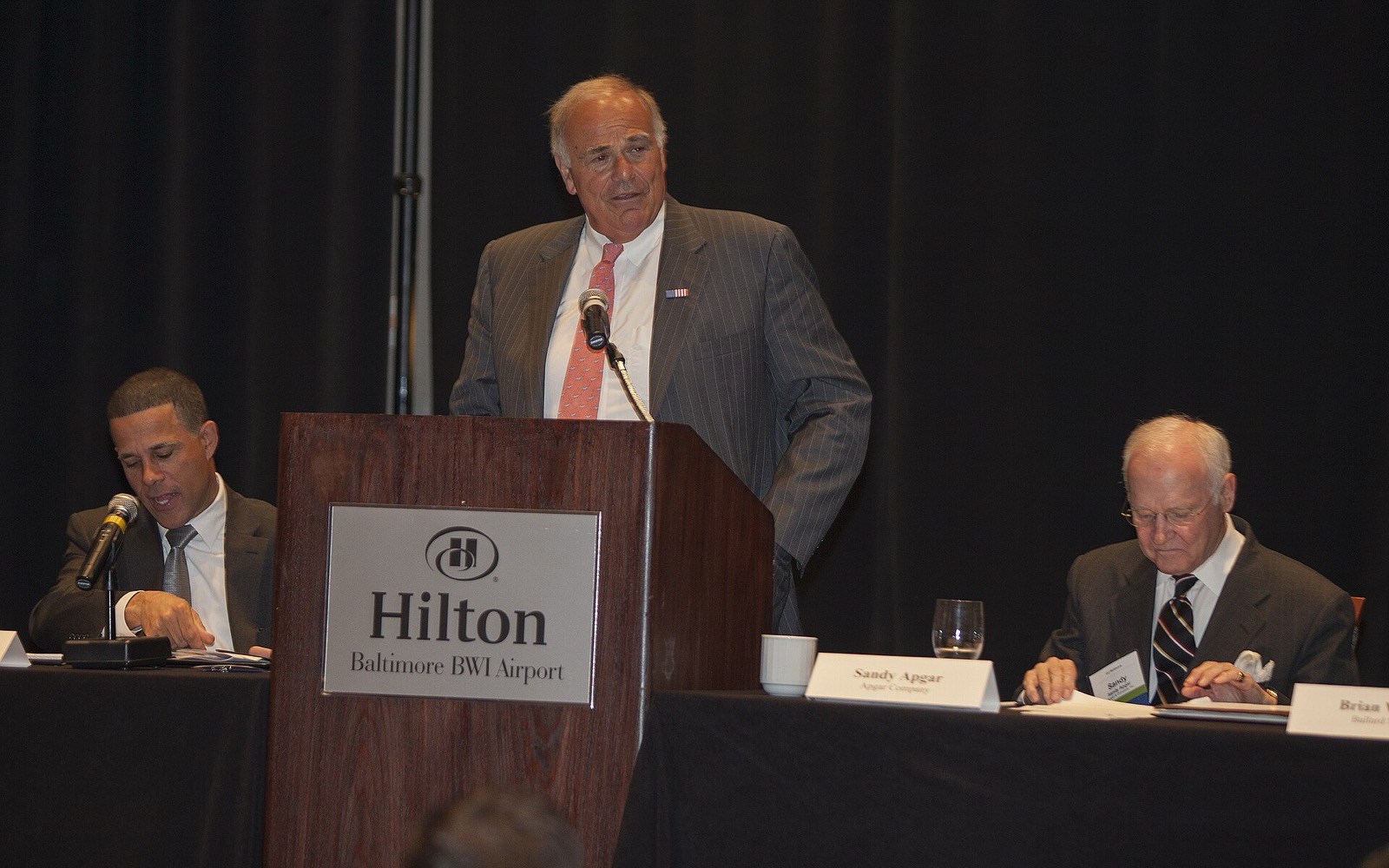
ULI's own materials describe a cross-disciplinary membership of developers, investors, designers, builders, buyers, sellers, urban planners and public officials. Wikipedia's breakdown of the membership puts developers at 28 percent, capital sources at 13 percent, service providers at 10 percent and the public sector at 10 percent.
Requisiti di iscrizione
Requisiti in dettaglio, con storico →I requisiti sono le condizioni che l'organizzazione stessa pubblica — un limite di età, una soglia minima di fatturato aziendale, un patrimonio netto minimo, un ruolo. Quando una cifra si colloca a cavallo di un intervallo, è la valutazione dell'organizzazione stessa a decidere. I capitoli locali possono applicare criteri più restrittivi rispetto allo standard pubblicato.
| Criterio | Requisito pubblicato | Provenienza |
|---|---|---|
| Restrizione settoriale | Open to professionals across the real estate and land use industry | Verificato September 2026Elevata affidabilitàFonte ↗ |
| Altro criterio | Members agree to the ULI Code of Ethics | Verificato September 2026Affidabilità mediaFonte ↗ |
| Età massima all'iscrizione | Under 35 qualifies for a reduced dues rate | Verificato September 2026Elevata affidabilitàFonte ↗ |
| Altro criterio | Retired rate: age 65 or over with more than 10 years of ULI membership | Verificato September 2026Elevata affidabilitàFonte ↗ |
| Altro criterio | Public Agency group membership is limited to government agencies, accredited universities and non-profit organisations | Verificato September 2026Elevata affidabilitàFonte ↗ |
Criteri pubblicati verificati alle date indicate. Le decisioni definitive in materia di ammissibilità e ammissione spettano esclusivamente a Urban Land Institute. Verifica come ti posizioni rispetto a questi criteri →
Le quote di ingresso si pagano una sola volta all'adesione; le quote associative sono ricorrenti. Le quote di capitolo, i ritiri, i viaggi e gli eventi sono di norma aggiuntivi e sono elencati separatamente quando l'organizzazione li comunica. Le cifre sono quelle pubblicate o riportate alla data indicata — non preventivi.
| Costo | Primo anno | Tre anni | Provenienza | |
|---|---|---|---|---|
| Quote annualiall'anno | $1,332 | $3,996 | Verificato September 2026Affidabilità mediaFonte ↗ | |
| Quote annualiall'anno | $540 | alternative tier, not added | Verificato September 2026Affidabilità mediaFonte ↗ | |
| Quote annualiall'anno | $660 | alternative tier, not added | Verificato September 2026Affidabilità mediaFonte ↗ | |
| Quote annualiall'anno | $264 | alternative tier, not added | Verificato September 2026Affidabilità mediaFonte ↗ | |
| Quote annualiall'anno | $336 | alternative tier, not added | Verificato September 2026Affidabilità mediaFonte ↗ | |
| Quote annualiall'anno | $132 | alternative tier, not added | Verificato September 2026Affidabilità mediaFonte ↗ | |
| Quota di iscrizione iniziale | Not publicly disclosed | |||
| Quote della sezione locale | Not publicly disclosed. District council participation is included in national dues in ULI's published materials; no separate district council fee is advertised. | |||
| Totale stimato, solo cifre divulgate | $1,332 | $3,996 | Non conteggiato: Annual dues (5 alternative tiers, not added), Initiation fee, Local chapter dues. | |
Struttura e programmazione
Dove opera
16 città con una pagina su questo sitoUrban Land Institute rapporti 57 sedi in totale; quelle verificate per le principali città sono elencate qui.
| Sede o capitolo | Città |
|---|---|
| ULI British Columbia district council | Vancouver |
| ULI Toronto district council | Toronto |
| ULI Mexico district council | Mexico City |
| ULI Los Angeles district council | Los Angeles |
| ULI San Francisco district council | San Francisco |
| ULI Colorado district council | Denver |
| ULI Washington district council | Washington |
| ULI Southeast Florida/Caribbean district council | Miami |
| ULI Atlanta district council | Atlanta |
| ULI Chicago district council | Chicago |
| ULI Boston district council | Boston |
| ULI New York district council | New York |
| ULI Austin district council | Austin |
| ULI Dallas–Fort Worth district council | Dallas |
| ULI Houston district council | Houston |
| ULI Northwest district council | Seattle |
Contesto indipendente
ULI is one of the two large open-membership bodies in US commercial real estate (the other being the body formerly known as NAIOP). It is not selective: the barrier is the dues cheque and a code-of-ethics undertaking, not a screening committee. The selectivity sits one level down, in the invitation-based product councils and in district council leadership. That makes it useful for research access, credibility and breadth of contacts, and a poor fit for anyone looking for a closed peer group or deal flow. A practical caveat for researchers: ULI's website blocks automated access, so its current dues schedule could not be read directly. The rates recorded here are from ULI's own United States individual membership application, whose stated validity ran to 30 June 2023, and should be treated as indicative rather than current.
Analisi editoriale a cura di Peer Group Guide editors. È separata dal record precedente e segue il politica editoriale.
Organizzazioni simili
Alternative, raggruppate per esigenza →Storia e modifiche
Registro delle modifiche a livello di sito →- milestoneULI dates its founding to 1936, described on its homepage as "Founded by its members" ↗
- milestoneFounded as a research body associated with the National Association of Real Estate Boards ↗
- milestoneName changed to the Urban Land Institute ↗
- milestoneAdvisory Services programme established, beginning in Louisville, Kentucky ↗
- milestoneRegional district council programme created ↗
- milestoneAbsorbed the Greenprint Foundation, which became the ULI Greenprint Center for Building Performance ↗
Tappe fondamentali pubblicate dall'organizzazione o riportate da una fonte citata. Le voci «Record» riguardano modifiche al record interno di questo sito relativo all'organizzazione, conservate nel registro pubblico delle modifiche anziché sovrascritte.
Fai il passo successivo
Verifica come ti posizioni
Verifica i criteri pubblicati rispetto a un profilo indicato per fasce. Nulla viene memorizzato.
Apri lo strumento di qualificazioneRichiedi informazioni sull'adesione
Trasmettiamo solo ciò che si acconsente a condividere, e solo quando l'organizzazione partecipa al programma. Si vede esattamente cosa viene inviato prima di inviarlo.
Richiedi informazioni Candidati sul loro sito ↗Segui questa organizzazione
Un'e-mail quando i requisiti o le quote cambiano.
Fonti
- Urban Land Institute homepage, Urban Land Institute. Consultato 6 September 2026.livello 1
- Join ULI, Urban Land Institute. Consultato 6 September 2026.livello 1
- District Council Locations, Urban Land Institute. Consultato 6 September 2026.livello 1
- Membership Frequently Asked Questions, Urban Land Institute. Consultato 6 September 2026.livello 2
- ULI United States Individual Membership Application (FY2023 rates), Urban Land Institute, September 2022. Consultato 6 September 2026.livello 3
- Urban Land Institute — Nonprofit Explorer (IRS Form 990 data), ProPublica. Consultato 6 September 2026.livello 5
- Urban Land Institute, Wikipedia. Consultato 6 September 2026.livello 8
I livelli delle fonti seguono la gerarchia pubblicata: 1 sito ufficiale · 2 materiali ufficiali per i soci · 3 documenti di candidatura · 4 rapporti annuali · 5 documenti governativi · 6 pubblicazioni economiche affidabili · 7 interviste credibili · 8 altre fonti secondarie autorevoli. Fonti e politica sui dati.
Qualcosa è errato o non aggiornato?
Rappresenta Urban Land Institute? I rappresentanti verificati possono inviare correzioni a quote, criteri, capitoli e recapiti, e aggiungere materiale approvato. Le segnalazioni sono esaminate da un redattore e indicate come fornite dall'organizzazione; non sovrascrivono mai la ricerca indipendente.