Vergelijking · 5 materiële verschillen
The Chicago Club vs Duquesne Club
Deze vergelijking is op verzoek gegenereerd op basis van de gegevens. Zij bevat geen redactioneel oordeel en is niet geïndexeerd. De gepubliceerde vergelijkingen worden vermeld op de vergelijkingspagina.
Lees elke kolom omlaag voor één organisatie, en elke rij horizontaal voor het onderlinge verschil. Een bronzen markering links van een cel betekent dat de organisaties op die rij van elkaar afwijken. Een streepje of 'niet gepubliceerd' betekent dat de organisatie het gegeven niet openbaar maakt — het is geen nul.
Wat de gegevens vermelden
- Annual dues — The Chicago Club: Not publicly disclosed. The only figure on record is historic: Wikipedia states that membership cost $100 when the club was founded in 1869; Duquesne Club: Not publicly disclosed.
Naast elkaar
| The Chicago Club | Duquesne Club | |
|---|---|---|
| Profiel | ||
| Type | Private club | Private club |
| Opgericht | 1869 (Wikipedia dates the founding to January 1869 by former members of the Dearborn Club, with Philip Wadsworth as first president and a first meeting on 1 May 1869; the club's own public site carries no history page.) | 1873 (The club's history page dates its founding to 1873 as a "voluntary association" first led by President John H. Ricketson.) |
| Hoofdkantoor | Chicago, United States | Pittsburgh, United States |
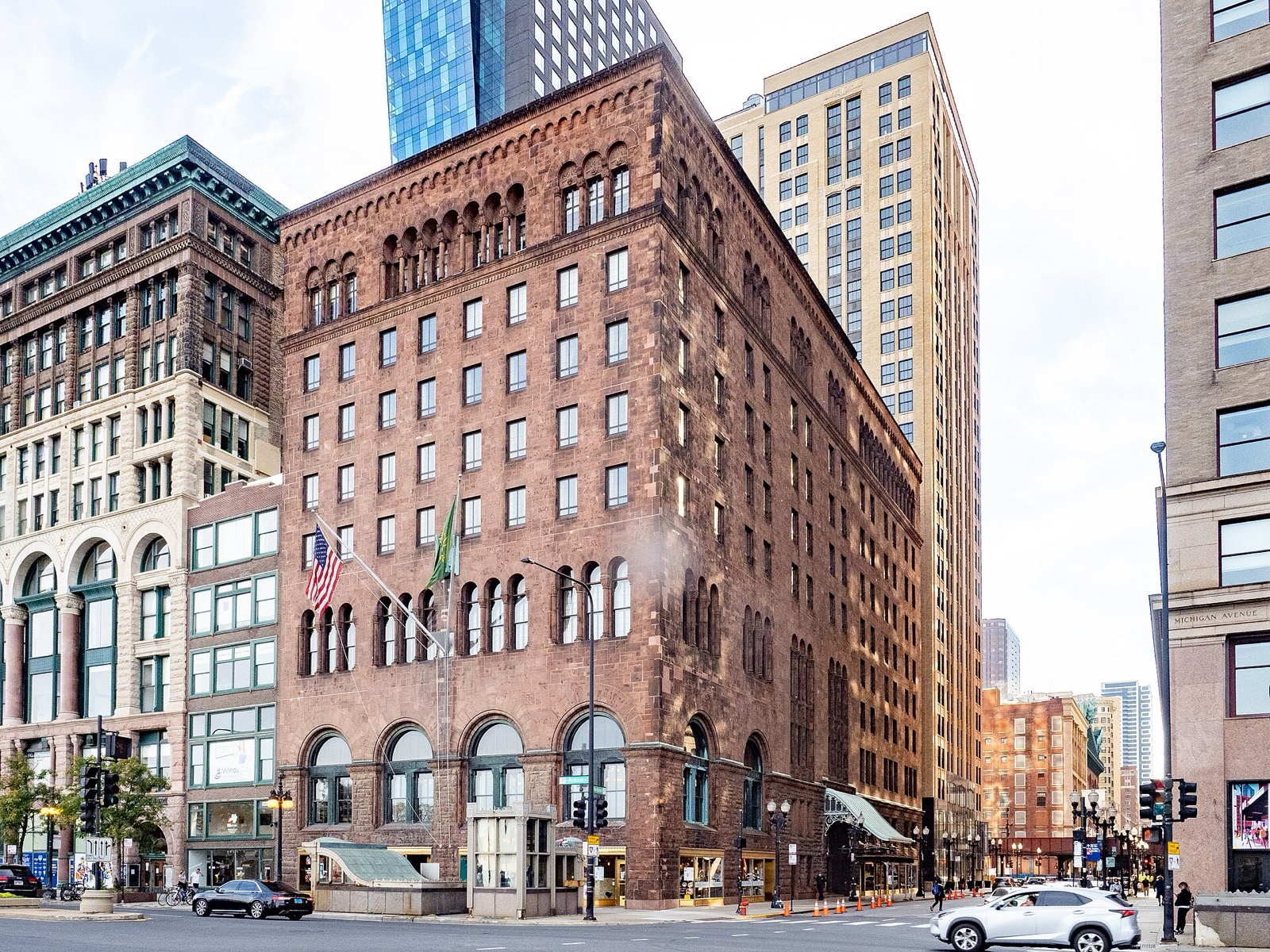
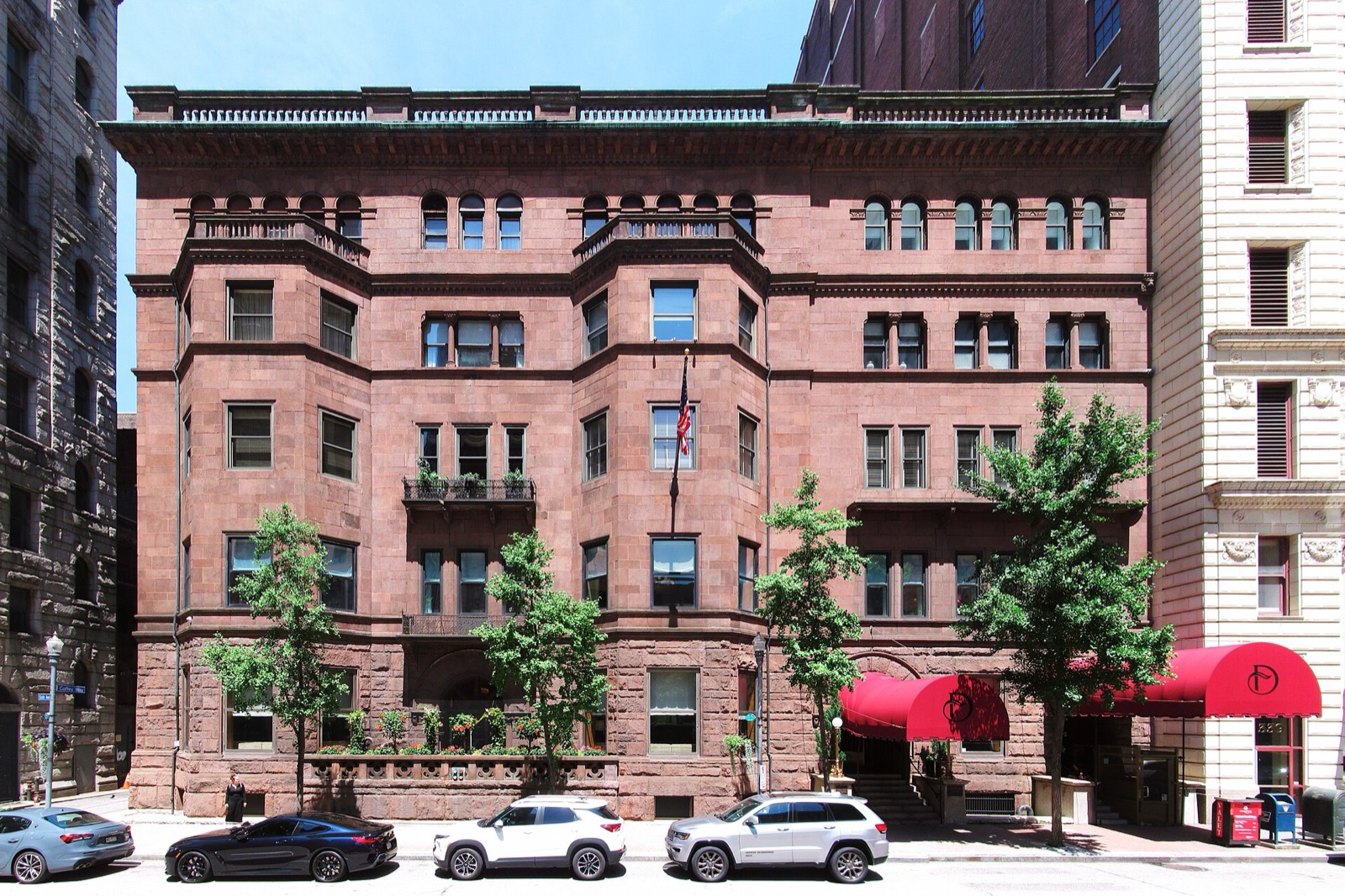
| Geographic footprint | Single clubhouse at 81 East Van Buren Street at Michigan Avenue, in the Loop | Single clubhouse at 325 Sixth Avenue in downtown Pittsburgh |
| Leden | Not publicly disclosed by the club. Wikipedia gives approximately 1,200 members; that has not been independently verified and carries no current date. | Not publicly disclosed by the club. Wikipedia's article gives approximately 2,700 men and women, a figure it dates to 2007; that has not been independently verified. |
| Afdelingen | Single clubhouse; no chapters | Single clubhouse; no chapters |
| Primary audience | Not publicly disclosed. The club's membership page consists of one sentence stating that membership is by invitation only, plus a contact for the Director of Membership. | The club says what was once "a fraternity of prominent industrialists has evolved into a social and business retreat for the region's most interesting thinkers and innovative leaders in business, industry, finance, politics, education, philanthropy, law, medicine and the arts". |
| Typisch lid | Not publicly disclosed. Wikipedia records that charter members included Anson Stager, Robert Todd Lincoln, Potter Palmer, Marshall Field and George Pullman, but the club publishes nothing about its present membership. | Not publicly disclosed in numbers. The club describes members as regional leaders across business, finance, law, medicine, education, politics, philanthropy and the arts. |
| Qualification | ||
| Invitation required | Yes | Yes |
| Sponsor required | Not documented | Not documented |
| Application process | There is no public application route. The club states that membership is by invitation only and directs enquiries about membership requirements to its Director of Membership by email. | No application process is published. The club's membership pages describe benefits rather than admission, and there is no application form or membership contact on the public site. |
| Selectivity | Not publicly disclosed | Not publicly disclosed |
| Kosten | ||
| Jaarlijkse contributie | Not publicly disclosed. The only figure on record is historic: Wikipedia states that membership cost $100 when the club was founded in 1869verified September 2026 · bron ↗ | Not publicly disclosedverified September 2026 · bron ↗ |
| Inschrijfkosten | Not publicly disclosedverified September 2026 · bron ↗ | Not publicly disclosedverified September 2026 · bron ↗ |
| Membership term | Not documented | Not documented |
| Structuur | ||
| Meeting frequency | No published programme; the clubhouse operates for dining, meetings, events and accommodation | No published meeting programme beyond a member events calendar; the six special-interest societies run their own tastings, dinners, classes, tours and outings |
| Peer forums | Not documented | Six member-run special-interest societies: Wine (about 300 members), Art, Rod & Gun, Literary, Culinary and Beer |
| Confidentiality | Cell phone use for voice communication is limited to phone booths, private meeting rooms and guest rooms; discreet non-verbal use such as texting and web browsing is permitted throughout the club. | Not publicly disclosed |
| Time commitment | Not documented | Not documented |
| Organized as | Clubhouse premises, Event-focused | Clubhouse premises, Event-focused |
| Vertrouwelijke peer-forums | No | No |
| Lokale hoofdstukken | No | No |
| Virtueel lidmaatschap | No | No |
| Online gemeenschap | No | No |
| Ledenlijst | Not documented | Not documented |
| Evenementen | Yes | Yes |
| Programmering | ||
| Educatieve programmering | Not documented | Partial |
| Leiderschapsontwikkeling | No | No |
| Retraites | No | No |
| Reizen | Partial | Yes |
| Gezinsprogrammering | Not documented | Yes |
| Programma's voor echtgenoten en partners | Not documented | Not documented |
| Programmering voor de volgende generatie | Not documented | Not documented |
| Beleggingsdiscussies | No | No |
| Beleggingsmogelijkheden | No | No |
| Filantropische component | Partial | Yes |
| Nadruk op netwerken | Medium | High |
| Sociale focus | High | High |
Volgende
Laatst geverifieerd: nog niet beoordeeld
Meld een fout op deze pagina
Bronnen
Ontleend aan de bronnen vermeld op elke pagina: The Chicago Club · Duquesne Club