Comparison · 8 material differences
Detroit Athletic Club vs Harvard Club of New York City
This comparison was generated on request from the records. It carries no editorial verdict and is not indexed. The published comparisons are listed on the compare page.
Read down each column for one organization, across a row for the difference. A bronze mark at the left of a cell means the organizations differ on that row. A dash or “not published” means the organization does not disclose the fact; it is not a zero.
 Verified September 2026
 Detroit Athletic Club
The club states no eligibility test. It describes its purpose as existing "to enrich people's lives through meaningful connections" and its history page identifies its 1913…
Harvard Club of New York City
Harvard University and Radcliffe College degree recipients, current and former faculty, fellows, officers and University appointment holders of at least one full academic year…
What the records say
- Geographic restriction: Detroit Athletic Club: No published geographic restriction; Harvard Club of New York City: Dues category is set by home and professional address: Resident/Professional (the five boroughs), Tri-State, Non-Resident East, and Non-Resident West and International.
- Annual dues: Detroit Athletic Club: Not publicly disclosed; Harvard Club of New York City: $573–2,864 a year.
Side by side
| Detroit Athletic Club | Harvard Club of New York City | |
|---|---|---|
| Profile | ||
| Type | Private club | Private club |
| Founded | 1887 (The club dates itself to 1887, when it says it was formed by "a group of privileged young men under the spell of amateur athletics"; it treats 4 January 1913, when 109 Detroit citizens signed articles of association at the Ponchartrain Hotel, as a second founding.) | 1865 (Founded in 1865 by a small group of alumni; the first meeting was held at the Mercantile Library Building on Astor Place and four members attended. A constitution was adopted in 1878 and the club was incorporated in New York State in 1887.) |
| Headquarters | Detroit, United States | New York, United States |
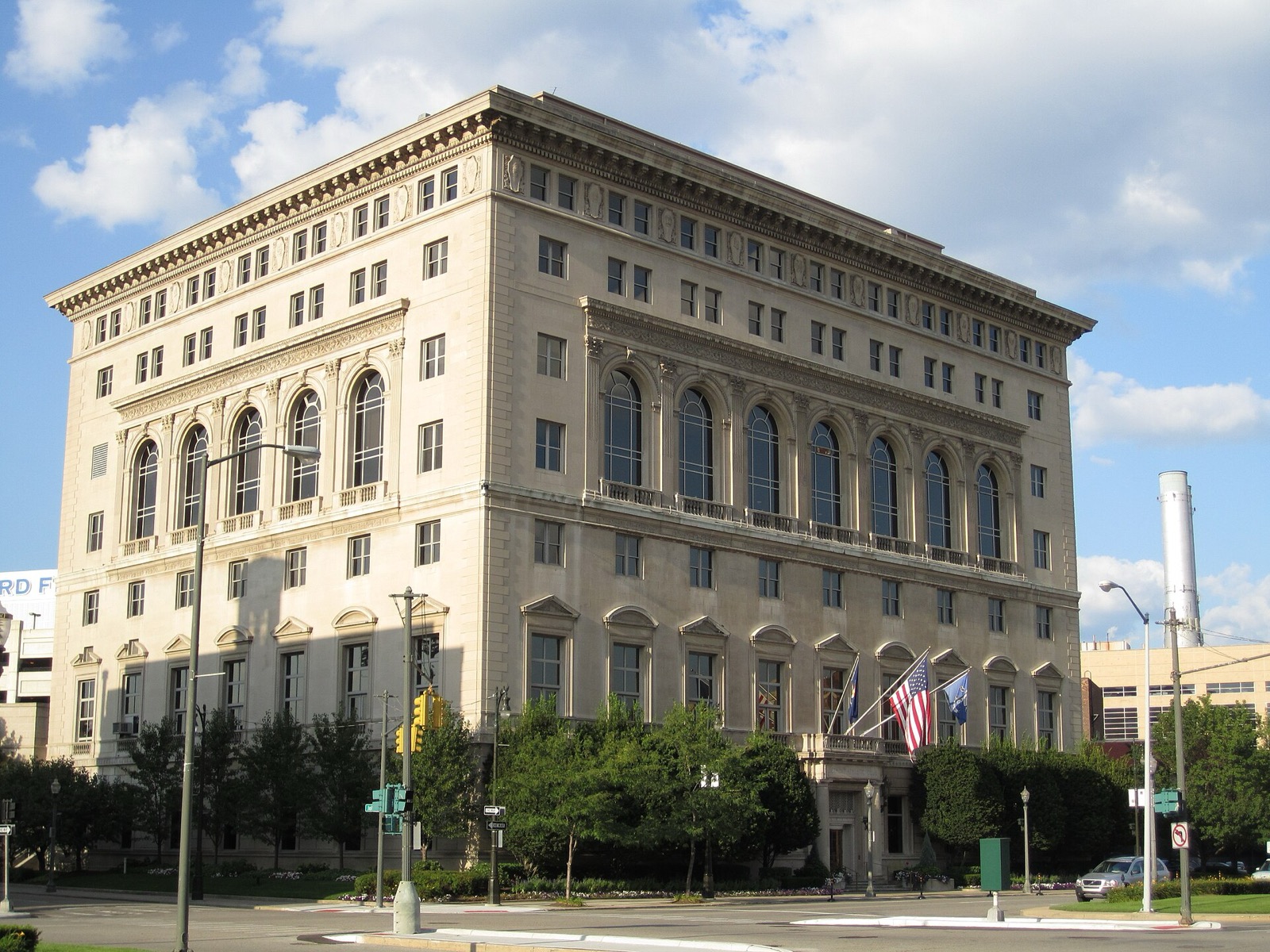
| Geographic footprint | Single seven-storey clubhouse at 241 Madison Avenue in Detroit's theatre and sports district | Single clubhouse on West 44th Street, Manhattan, with entrances at 27 and 35 West 44th Street; members are drawn worldwide and dues categories reflect distance from the club |
| Members | Not publicly disclosed | Not publicly disclosed |
| Chapters | Single clubhouse; no chapters | Single clubhouse; no chapters |
| Primary audience | The club states no eligibility test. It describes its purpose as existing "to enrich people's lives through meaningful connections" and its history page identifies its 1913 refounders as leading Detroit citizens, many of them automobile industry figures. | Harvard University and Radcliffe College degree recipients, current and former faculty, fellows, officers and University appointment holders of at least one full academic year, current and former University-wide board and committee members, and former full-time students in good standing in a Harvard degree programme for at least one full academic year. |
| Typical member | Not publicly disclosed. The club publishes no data on member professions, ages or numbers, and its public site has no membership section at all. | Members are Harvard-affiliated by degree, faculty appointment or University service, plus spouses and life partners admitted in reduced-rate categories. Dues bands are set by years since undergraduate degree and by whether the member lives or works in New York City, the tri-state area, the eastern states, or further afield. |
| Qualification | ||
| Geographic restriction | No published geographic restriction | Dues category is set by home and professional address: Resident/Professional (the five boroughs), Tri-State, Non-Resident East, and Non-Resident West and InternationalWhichever address is closest to the club determines the categoryverified September 2026 · source ↗ |
| Invitation required | Not documented | No |
| Sponsor required | Not documented | No |
| Application process | No application process is published. The website has no membership section, no membership contact and no application form; a prospective member would have to approach the club directly or through an existing member. | Applicants apply online in the category matching their Harvard affiliation. The club verifies the affiliation and contacts the applicant with membership information in about three weeks. There is no published requirement for proposers or seconders. A separate route exists for the graduating class of the year and for Harvard summer students. |
| Selectivity | Not publicly disclosed | Not publicly disclosed. Admission turns on verifying a qualifying Harvard affiliation rather than on a published selection or ballot. |
| Cost | ||
| Annual dues | Not publicly disclosedverified September 2026 · source ↗ | $573–2,864 a yearResident/Professional category (residence, business or employment in the five boroughs of New York City), banded by years since undergraduate degree: under 4 years $573; 4 to under 6 $859; 6 to under 8 $1,289; 8 to under 10 $1,910; 10 or more $2,864. Excludes taxes.verified September 2026 · source ↗ |
| Initiation fee | Not publicly disclosedverified September 2026 · source ↗ | $250–2,864 one-timeEntrance fee applies to all membership categories and equals 100% of a full year of dues, subject to a $250 minimum. Payable in full or in three instalments over two years, the first due on membership activation. No entrance fee applies to Signing Privilege Membership or to widows'/widowers' privileges.verified September 2026 · source ↗ |
| Membership term | Not documented | Annual, on a fiscal year ending 30 June; dues payable quarterly, half-yearly or annually |
| Structure | ||
| Meeting frequency | No published meeting programme; the clubhouse operates daily for athletics, dining, accommodation and events | Clubhouse open daily, closing to members at 11pm; talks, performances, art classes, wine tastings and other member programming through the year |
| Peer forums | Not documented | Not documented |
| Confidentiality | Not publicly disclosed. The published technology guide allows silent, non-voice use of mobile phones anywhere in the club and restricts device charging to member suites, private rooms, the business centre, the Madison Cafe and the balcony above the Court Center. | The club maintains House Rules governing technology use in the clubhouse; specific terms are not published in full |
| Time commitment | Not documented | Not documented |
| Organized as | Clubhouse premises, Event-focused | Clubhouse premises, Event-focused |
| Confidential peer forums | No | No |
| Local chapters | No | No |
| Virtual membership | No | No |
| Online community | No | No |
| Member directory | Not documented | Not documented |
| Events | Yes | Yes |
| Programming | ||
| Educational programming | Not documented | Yes |
| Leadership development | No | No |
| Retreats | No | No |
| Travel | Partial | Yes |
| Family programming | Not documented | Not documented |
| Spouse and partner programming | Not documented | Yes |
| Next-generation programming | Not documented | Partial |
| Investment discussions | No | No |
| Investment opportunities | No | No |
| Philanthropic component | Yes | Yes |
| Networking emphasis | Medium | High |
| Social emphasis | High | High |
Next
Sources
Drawn from the sources listed on each page: Detroit Athletic Club · Harvard Club of New York City