Comparison · 15 material differences
The Clubhouse vs The University Club of New York
This comparison was generated on request from the records. It carries no editorial verdict and is not indexed. The published comparisons are listed on the compare page.
Read down each column for one organization, across a row for the difference. A bronze mark at the left of a cell means the organizations differ on that row. A dash or “not published” means the organization does not disclose the fact; it is not a zero.
What the records say
- Gender: The Clubhouse: No published gender; The University Club of New York: Open to men and women since 1987.
- Annual dues: The Clubhouse: Prices are published per month and exclude VAT; annual cost depends on the tier and contract length chosen.; The University Club of New York: Not publicly disclosed.
Side by side
| The Clubhouse | The University Club of New York | |
|---|---|---|
| Profile | ||
| Type | Private club | Private club |
| Founded | 2012 (Founded in 2012 by Amanda Hamilton, with the first site at 8 St James's Square. The company's own pages do not state a founding year.) | 1865 (Incorporated 28 April 1865, growing out of the Red Room Club formed in 1861 by Yale alumni; stated purpose was the promotion of literature and art.) |
| Headquarters | London, United Kingdom | New York, United States |
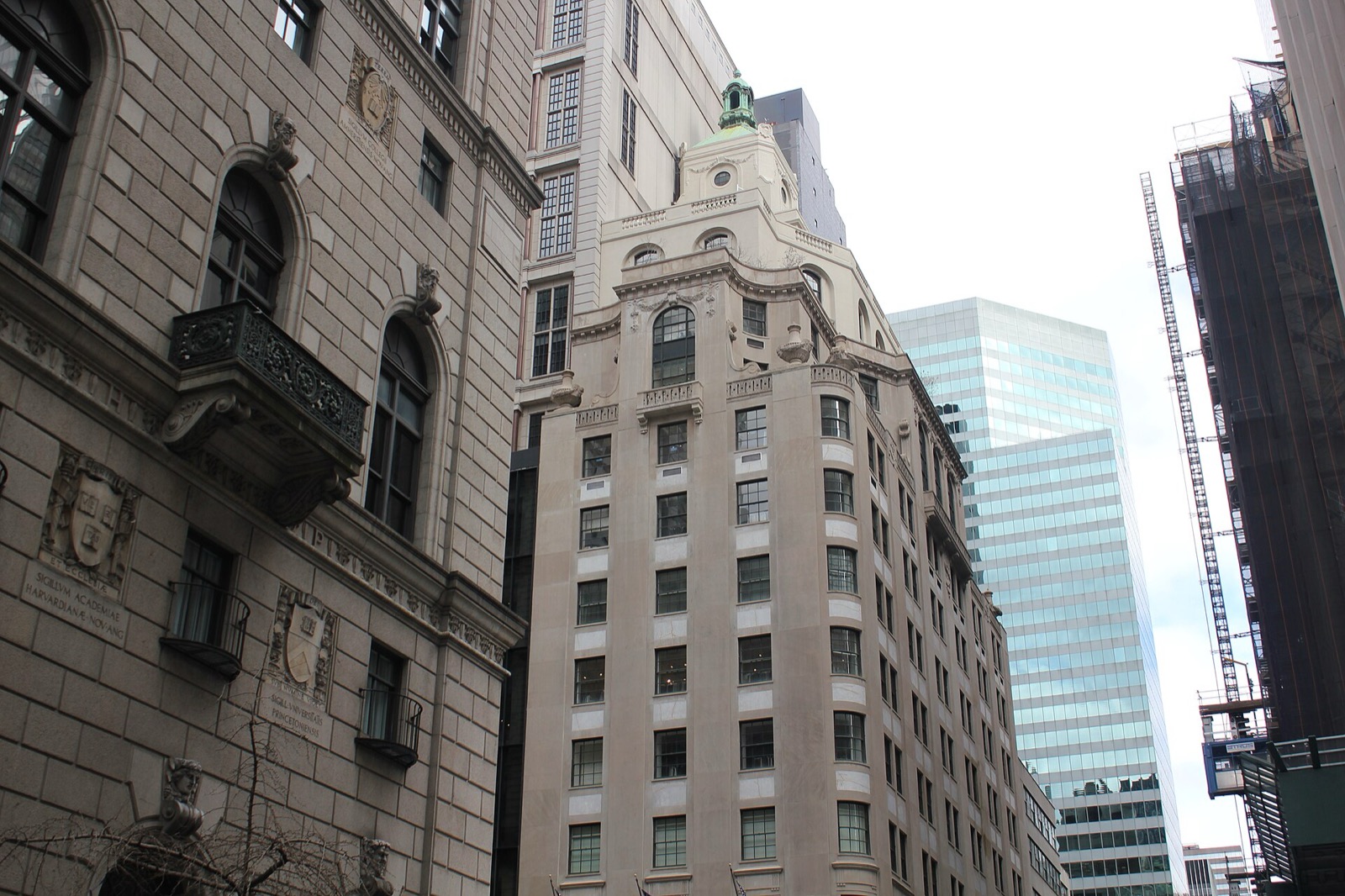
| Geographic footprint | Three London locations: St James's (8 St James's Square), Mayfair (50 Grosvenor Hill) and Holborn Circus (20 St Andrew Street). Members also get access to IWG portfolio locations worldwide. | Single clubhouse at One West 54th Street, Manhattan |
| Members | Not publicly disclosed. The Evening Standard reported more than 800 individual members and 250 corporate clients in March 2016; that figure predates the 2019 administration and change of ownership. | Not publicly disclosed |
| Chapters | 3 | Single clubhouse; no chapters |
| Primary audience | The company describes itself as "the smarter alternative to a London office for fast growing SMEs and global organisations" and says it was "created by business leaders for business leaders" | University graduates. Historically the club required a degree from a recognised college; Wikipedia's account states that members now hold a baccalaureate degree from any accredited institution. |
| Typical member | Business owners, executives and professionals who need a central London base for meetings and work between them, plus corporate accounts. The company names Deloitte, Amazon, Sky, Samsung, Santander and Tesla among its members. | Not publicly disclosed. The club publishes no member statistics; historical accounts record roughly 502 members in 1879, 2,800 in 1901 and about 4,000 in the 1980s. |
| Qualification | ||
| Gender | No published gender | Open to men and women since 1987The club voted to admit women in 1987 following city antidiscrimination enforcement; 16 women had joined within a yearverified September 2026 · source ↗ |
| Invitation required | No | Not documented |
| Sponsor required | No | Not documented |
| Application process | Prospective members choose a tier and contract length and enquire through a web form or by telephone. There is no published application form, committee stage, sponsor requirement or interview. | The club publishes no application process. Its website has no membership page, application form or membership contact; enquiries go through the front office or an existing member. |
| Selectivity | Not publicly disclosed; no vetting process is described | Not publicly disclosed |
| Cost | ||
| Annual dues | Prices are published per month and exclude VAT; annual cost depends on the tier and contract length chosen. | Not publicly disclosedverified September 2026 · source ↗ |
| Monthly dues | £190–225 a monthExecutive Member (a London base five days per month): £190 plus VAT on a 24-month term, £200 plus VAT on 12 months, £225 plus VAT month-to-monthverified September 2026 · source ↗ | No dues or entrance-fee information appears anywhere on the club's public site. A membership brochure is linked from the home page as a PDF but could not be read in this research. |
| Initiation fee | No joining fee is stated on the memberships pageverified September 2026 · source ↗ | Not publicly disclosedverified September 2026 · source ↗ |
| Membership term | Month-to-month, 12-month or 24-month contracts, priced differently | Not documented |
| Structure | ||
| Meeting frequency | Daily access according to tier; the company runs a news and events programme for members | Clubhouse open daily for dining, athletics, the library and overnight stays; a variety of social events for members |
| Peer forums | Not documented | Not documented |
| Confidentiality | Not publicly disclosed | House rules bar use of the club name for publicity or press coverage without written House Committee approval, restrict photography, and prohibit using the club directory to solicit business or political activity from other members |
| Time commitment | Tiers are defined by usage: five days a month (Executive), ten days a month (Club) or unlimited (House) | Not documented |
| Organized as | Clubhouse premises | Clubhouse premises, Event-focused |
| Confidential peer forums | No | No |
| Local chapters | Yes | No |
| Virtual membership | Yes | No |
| Online community | Not documented | No |
| Member directory | Not documented | Yes |
| Events | Yes | Yes |
| Programming | ||
| Educational programming | No | Partial |
| Leadership development | No | No |
| Retreats | No | No |
| Travel | Partial | Not documented |
| Family programming | No | Not documented |
| Spouse and partner programming | No | Not documented |
| Next-generation programming | No | Not documented |
| Investment discussions | No | No |
| Investment opportunities | No | No |
| Philanthropic component | No | Not documented |
| Networking emphasis | Medium | Low |
| Social emphasis | Low | High |
Next
Last verified: not yet reviewed
Report an error on this page
Sources
Drawn from the sources listed on each page: The Clubhouse · The University Club of New York