Comparazione · 5 differenze sostanziali
The Chicago Club vs Duquesne Club
Questo confronto è stato generato su richiesta dai record. Non reca alcun verdetto editoriale e non è indicizzato. I confronti pubblicati sono elencati nella pagina di confronto.
Si legga ogni colonna per una singola organizzazione, ogni riga per le differenze tra organizzazioni. Un segno bronzeo a sinistra di una cella indica che le organizzazioni differiscono su quella riga. Un trattino o "non pubblicato" significa che l'organizzazione non divulga il dato — non equivale a zero.
Cosa indicano i dati
- Annual dues — The Chicago Club: Not publicly disclosed. The only figure on record is historic: Wikipedia states that membership cost $100 when the club was founded in 1869; Duquesne Club: Not publicly disclosed.
Fianco a fianco
| The Chicago Club | Duquesne Club | |
|---|---|---|
| Profilo | ||
| Tipo | Private club | Private club |
| Fondato | 1869 (Wikipedia dates the founding to January 1869 by former members of the Dearborn Club, with Philip Wadsworth as first president and a first meeting on 1 May 1869; the club's own public site carries no history page.) | 1873 (The club's history page dates its founding to 1873 as a "voluntary association" first led by President John H. Ricketson.) |
| Sede centrale | Chicago, United States | Pittsburgh, United States |
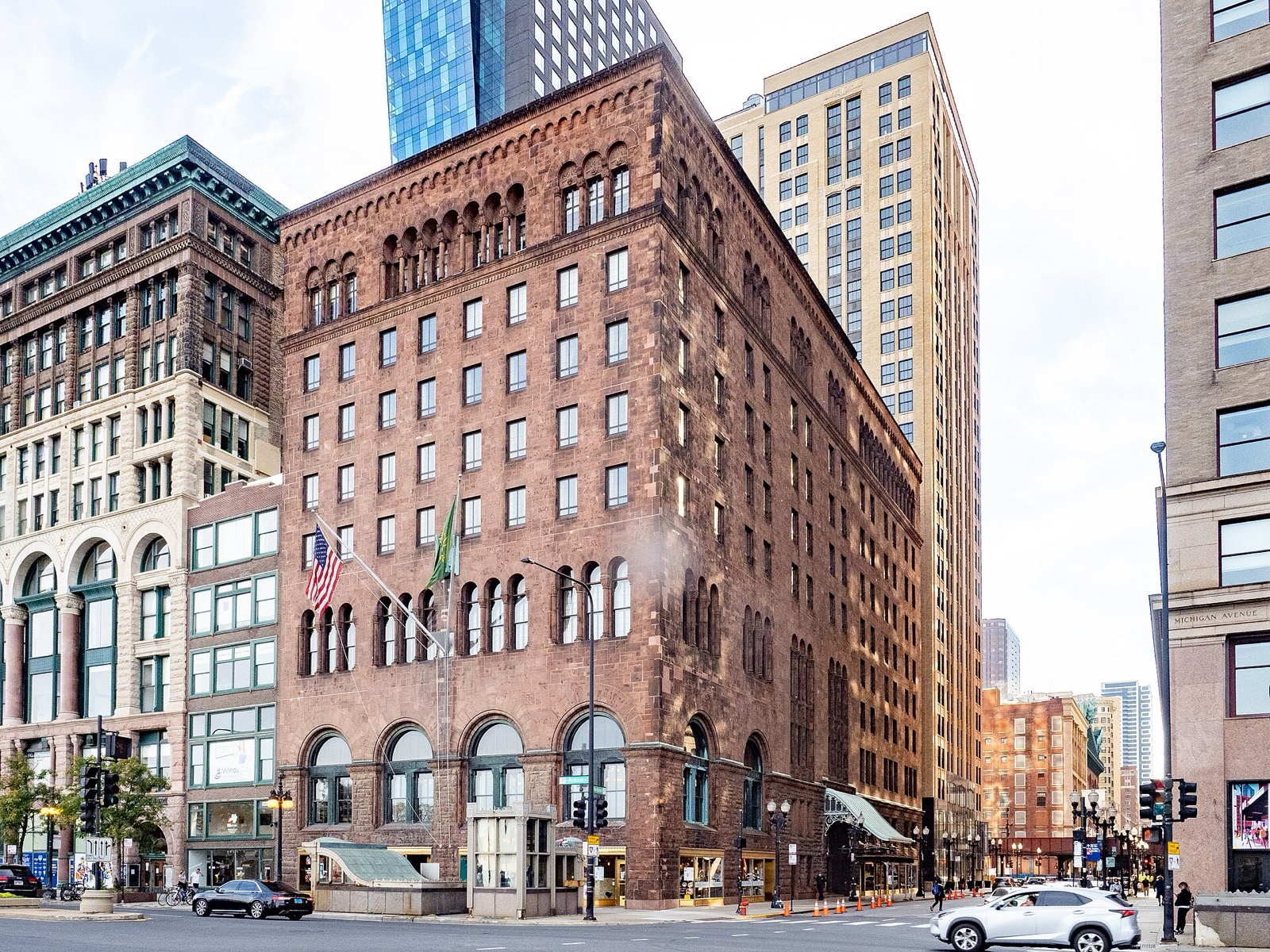
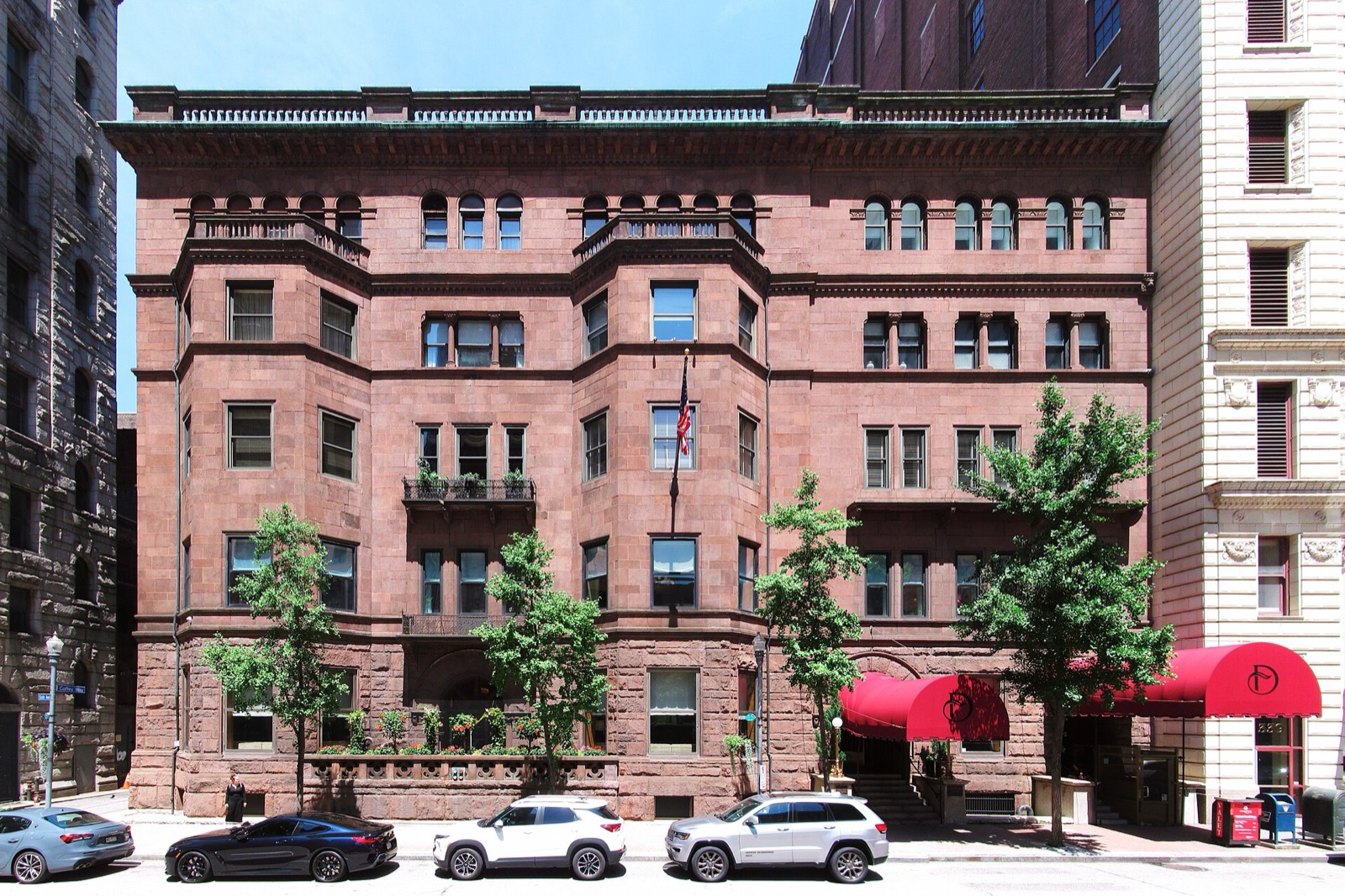
| Geographic footprint | Single clubhouse at 81 East Van Buren Street at Michigan Avenue, in the Loop | Single clubhouse at 325 Sixth Avenue in downtown Pittsburgh |
| Membri | Not publicly disclosed by the club. Wikipedia gives approximately 1,200 members; that has not been independently verified and carries no current date. | Not publicly disclosed by the club. Wikipedia's article gives approximately 2,700 men and women, a figure it dates to 2007; that has not been independently verified. |
| Capitoli | Single clubhouse; no chapters | Single clubhouse; no chapters |
| Primary audience | Not publicly disclosed. The club's membership page consists of one sentence stating that membership is by invitation only, plus a contact for the Director of Membership. | The club says what was once "a fraternity of prominent industrialists has evolved into a social and business retreat for the region's most interesting thinkers and innovative leaders in business, industry, finance, politics, education, philanthropy, law, medicine and the arts". |
| Socio tipico | Not publicly disclosed. Wikipedia records that charter members included Anson Stager, Robert Todd Lincoln, Potter Palmer, Marshall Field and George Pullman, but the club publishes nothing about its present membership. | Not publicly disclosed in numbers. The club describes members as regional leaders across business, finance, law, medicine, education, politics, philanthropy and the arts. |
| Qualification | ||
| Invitation required | Yes | Yes |
| Sponsor required | Not documented | Not documented |
| Application process | There is no public application route. The club states that membership is by invitation only and directs enquiries about membership requirements to its Director of Membership by email. | No application process is published. The club's membership pages describe benefits rather than admission, and there is no application form or membership contact on the public site. |
| Selectivity | Not publicly disclosed | Not publicly disclosed |
| Costo | ||
| Quote annuali | Not publicly disclosed. The only figure on record is historic: Wikipedia states that membership cost $100 when the club was founded in 1869verified September 2026 · fonte ↗ | Not publicly disclosedverified September 2026 · fonte ↗ |
| Quota di iscrizione iniziale | Not publicly disclosedverified September 2026 · fonte ↗ | Not publicly disclosedverified September 2026 · fonte ↗ |
| Membership term | Not documented | Not documented |
| Struttura | ||
| Meeting frequency | No published programme; the clubhouse operates for dining, meetings, events and accommodation | No published meeting programme beyond a member events calendar; the six special-interest societies run their own tastings, dinners, classes, tours and outings |
| Peer forums | Not documented | Six member-run special-interest societies: Wine (about 300 members), Art, Rod & Gun, Literary, Culinary and Beer |
| Confidentiality | Cell phone use for voice communication is limited to phone booths, private meeting rooms and guest rooms; discreet non-verbal use such as texting and web browsing is permitted throughout the club. | Not publicly disclosed |
| Time commitment | Not documented | Not documented |
| Organized as | Clubhouse premises, Event-focused | Clubhouse premises, Event-focused |
| Forum riservati tra pari | No | No |
| Sezioni locali | No | No |
| Membership virtuale | No | No |
| Comunità online | No | No |
| Elenco dei membri | Not documented | Not documented |
| Eventi | Yes | Yes |
| Programmazione | ||
| Programmazione formativa | Not documented | Partial |
| Sviluppo della leadership | No | No |
| Ritiri | No | No |
| Viaggi | Partial | Yes |
| Programmi per le famiglie | Not documented | Yes |
| Programmi per coniugi e partner | Not documented | Not documented |
| Programmazione per la prossima generazione | Not documented | Not documented |
| Discussioni sugli investimenti | No | No |
| Opportunità di investimento | No | No |
| Componente filantropica | Partial | Yes |
| Enfasi sul networking | Medium | High |
| Enfasi sociale | High | High |
Avanti
Ultima verifica: non ancora revisionato
Segnala un errore in questa pagina
Fonti
Tratto dalle fonti indicate in ciascuna pagina: The Chicago Club · Duquesne Club