Private club · Members' clubs · Business clubs
Home House
Not narrowly defined by the club, which markets Home House as a social and cultural club and Home House Studio as a working club; a combined Homes membership covers both
A profile page holds what the organization publishes and what named sources report: who it admits, what it costs, how it is structured, where it operates, and how it has changed. Every figure carries the date it was checked. A dash means the organization does not publish that fact.
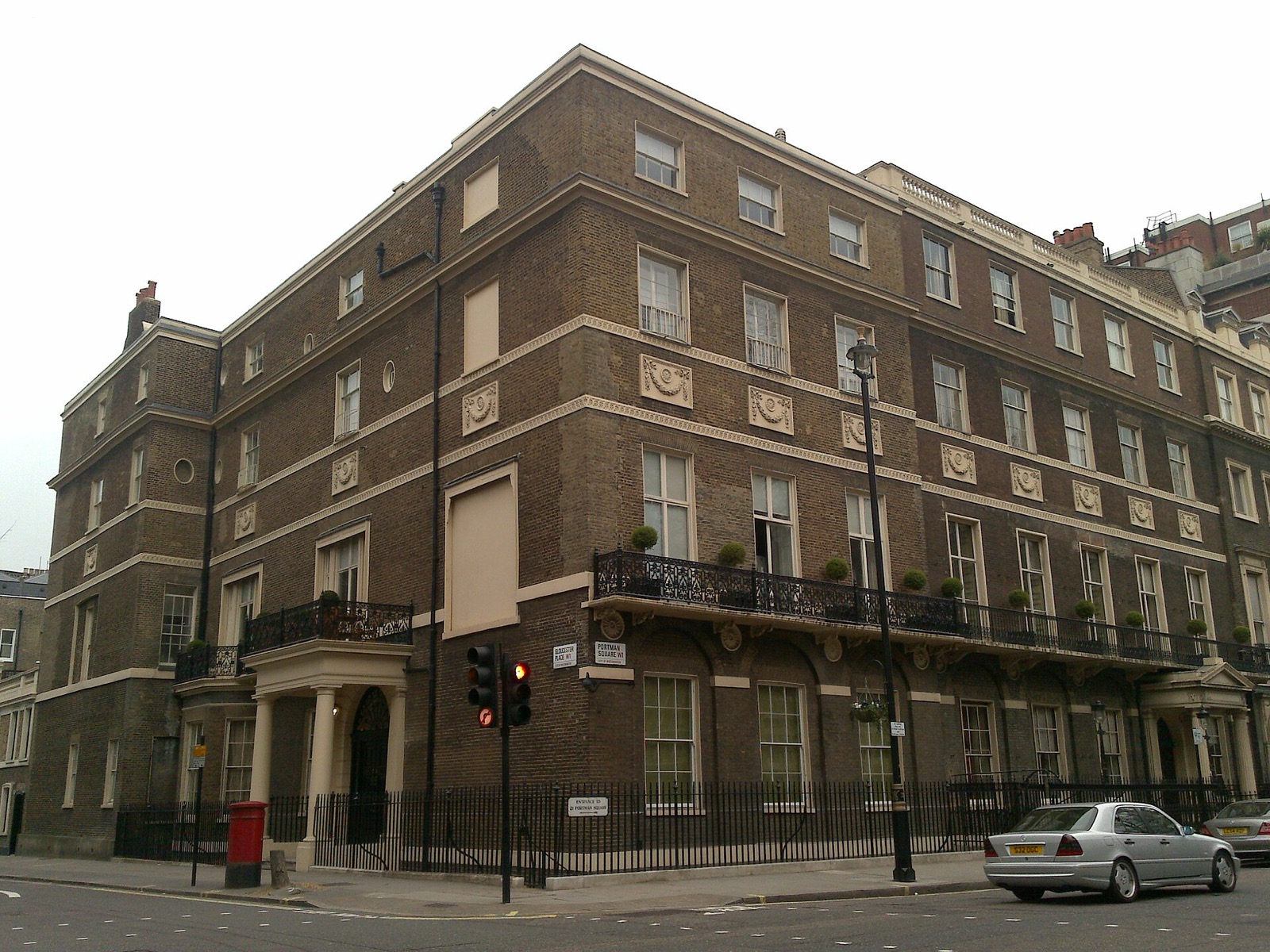
Founding — The building at 20 Portman Square has been a private members' club since 1998; the house itself was completed in 1776 for Elizabeth, Countess of Home, begun by James Wyatt and finished by Robert Adam, and is Grade I listed
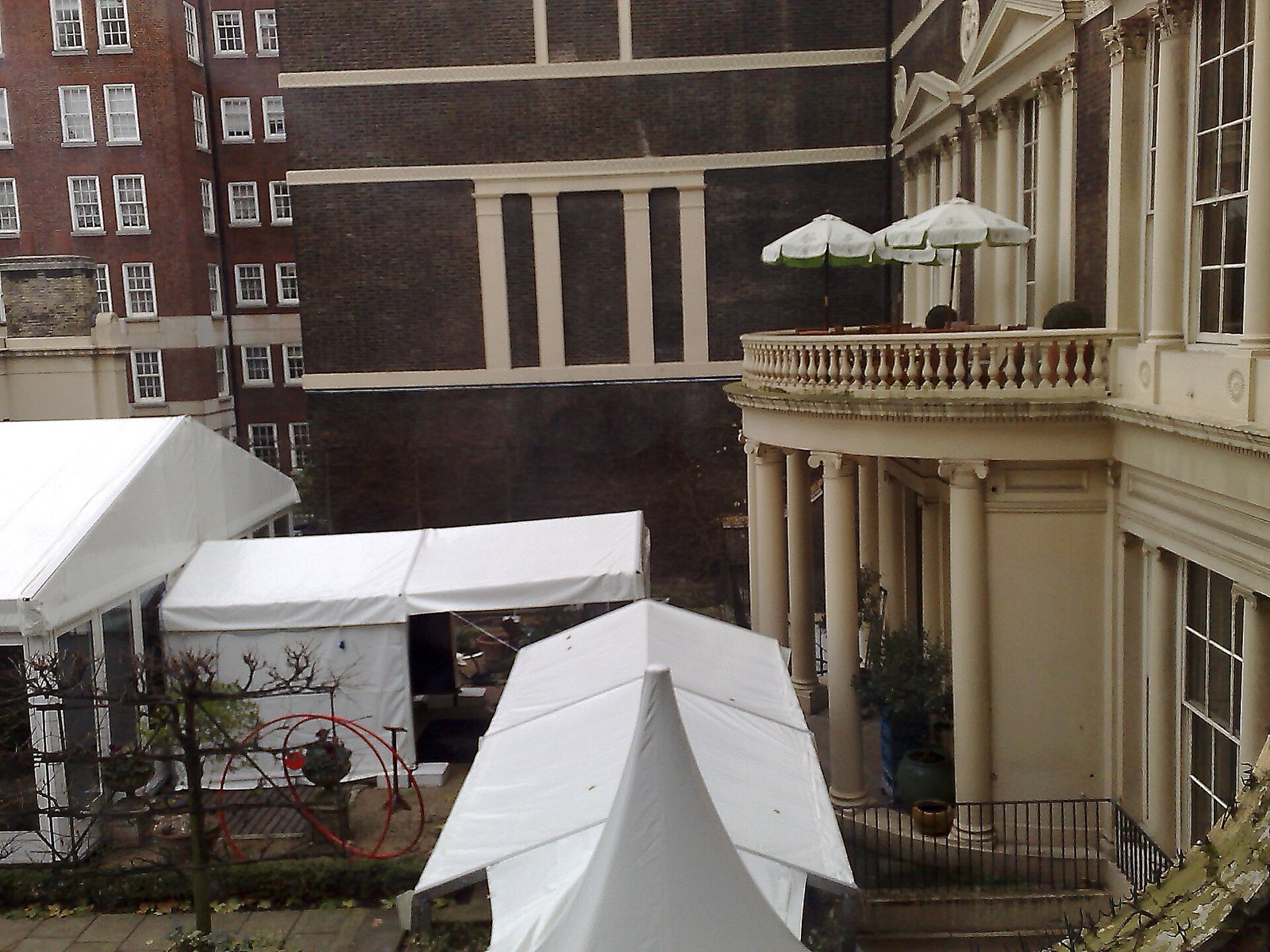
Home House is a private members' club in three Georgian townhouses at 20 Portman Square, Marylebone, London. The principal house was completed in 1776 for Elizabeth, Countess of Home, begun by James Wyatt and finished by Robert Adam; it is Grade I listed, held Samuel Courtauld's collection from 1926 and housed the Courtauld Institute of Art until 1989. It has operated as a private members' club since 1998. The club has 23 bedrooms, restaurants, bars, lounges, outdoor dining, a gym and event spaces, and accommodation is bookable by non-members. In February 2026 the group repositioned itself as two houses: Home House at Portman Square, framed around evenings, dining and social life, and Home House Studio at Great Cumberland Place, the former Home Grown, framed around the working day. Membership is published in three families — Home House, Home House Studio, and a combined Homes membership — each with a limited-access and a full-access rate. Applications are made online and reviewed by a membership committee.
How it works
Members use one or both houses depending on their category, with limited-access tiers restricting when they can attend. Applications are submitted online with a photograph and identity documents; Spear's reports that the membership committee reviews applications monthly and that there is no interview. Bedrooms are available to members at preferred rates and to the public at standard rates.
Typical member
A mixed social and professional membership. The club publishes categories by age, access level and residence rather than by occupation, and offers a corporate rate for groups from one business.
Membership requirements
Requirements in detail, with history →Requirements are the tests the organization itself publishes — an age ceiling, a company-revenue floor, a net-worth minimum, a role. Where a figure straddles a range, the organization's own assessment decides. Local chapters can apply stricter tests than the published standard.
| Criterion | Published requirement | Provenance |
|---|---|---|
| Maximum age at joining | Young Member rate for applicants under 35, reported at £1,450 a year in 2024 | Verified September 2026Low confidenceSource ↗ |
| Geographic restriction | Separate overseas rates for members resident outside the UK | Verified September 2026High confidenceSource ↗ |
| Sponsorship | Not publicly disclosed | Verified September 2026Medium confidenceSource ↗ |
Published criteria as verified on the dates shown. Final eligibility and admission decisions belong entirely to Home House. See how you compare against these criteria →
Initiation fees are paid once on joining; dues recur. Chapter dues, retreats, travel and events are usually additional and are listed separately when the organization discloses them. Figures are as published or reported on the date shown — not quotations.
| Cost | First year | Three years | Provenance | |
|---|---|---|---|---|
| Annual duesa year | £1,845 | £5,535 | Verified September 2026High confidenceSource ↗ | |
| Annual duesa year | £1,800 | alternative tier, not added | Verified September 2026High confidenceSource ↗ | |
| Annual duesa year | £3,500 | alternative tier, not added | Verified September 2026High confidenceSource ↗ | |
| Annual dues | Social Membership (evenings and weekends only, no gym), reported by Spear's in August 2024; not visible on the current membership pages | Source ↗ | ||
| Annual dues | Corporate Membership at £1,450 per person per year, reported by Spear's in August 2024 | Source ↗ | ||
| Initiation fee | Spear's reports that "a one-time joining fee applies to all membership categories" but the amount is not publicly disclosed and no joining fee appears on the club's current membership pages | Source ↗ | ||
| Estimated total, disclosed figures only | £1,845 | £5,535 | Not counted: Annual dues (2 alternative tiers, not added), Annual dues, Initiation fee. | |
Structure and programming
Where it operates
1 cities with a page on this site| Chapter or location | City |
|---|---|
| Home House clubhouse | London |
| Home House Studio clubhouse | London |
Independent context
Home House is the most legible club in this batch on price: rates are published for every family of membership and the limited-access options put a Georgian Marylebone clubhouse within reach at £1,440 a year, well below the Mayfair clubs. The complication is the February 2026 restructure, which replaced the older named tiers reported by Spear's in 2024 — full individual, young member, social, overseas, corporate and Collection — with limited-access and full-access bands across three houses. The two schemes do not map cleanly onto each other, and the under-35 rate that Spear's recorded at £1,450 is not visible on the current pages, so anyone relying on an age discount should confirm it still exists. The club also states that a one-time joining fee applies to all categories without publishing the amount.
Editorial analysis by Peer Group Guide editors. It is separated from the record above and follows the editorial policy.
Similar organizations
Alternatives, grouped by need →History and changes
Site-wide change log →- milestoneThe house at 20 Portman Square completed for Elizabeth, Countess of Home; begun by James Wyatt and finished by Robert Adam after Wyatt's dismissal in 1777 ↗
- milestoneSamuel Courtauld leased the house for his art collection; it later housed the Courtauld Institute of Art until 1989 ↗
- milestone20 Portman Square opened as a private members' club ↗
- milestoneSister club Home Grown opened at 44 Great Cumberland Place ↗
- renameGroup rebranded into two houses, Home House and Home House Studio, the latter replacing the Home Grown name ↗
Milestones as published by the organization or reported by a named source. “Record” entries are changes to this site’s own record of the organization, kept in the public change log rather than overwritten.
Take the next step
Check how you compare
Run the published criteria against a profile given in ranges. Nothing is stored.
Open the qualification toolRequest membership information
We pass on only what you agree to share, and only where the organization participates. You see exactly what is sent before you send it.
Request information Apply on their site ↗Follow this organization
One email when its requirements or fees change.
Sources
- Home House — Private Members Club, London, Home House. Accessed 6 September 2026.tier 1
- Contact — Home House, Home House. Accessed 6 September 2026.tier 1
- Membership — Home House, Home House. Accessed 6 September 2026.tier 2
- How to join Home House members' club, Spear's, August 2024. Accessed 6 September 2026.tier 6
- Home House rebrand to bridge work and social connection, Sleeper Magazine, February 2026. Accessed 6 September 2026.tier 6
- Home House, Wikipedia. Accessed 6 September 2026.tier 8
- Marylebone private members clubs: how to join, Marylebone London, July 2026. Accessed 6 September 2026.tier 8
Source tiers follow the published hierarchy: 1 official site · 2 official membership materials · 3 application documents · 4 annual reports · 5 government filings · 6 reliable business publications · 7 credible interviews · 8 other reputable secondary sources. Sources and data policy.
Is something wrong or out of date?
Represent Home House? Verified representatives can submit corrections to fees, criteria, chapters and contact details, and add approved material. Submissions are reviewed by an editor and shown as organization-supplied; they never overwrite independent research.